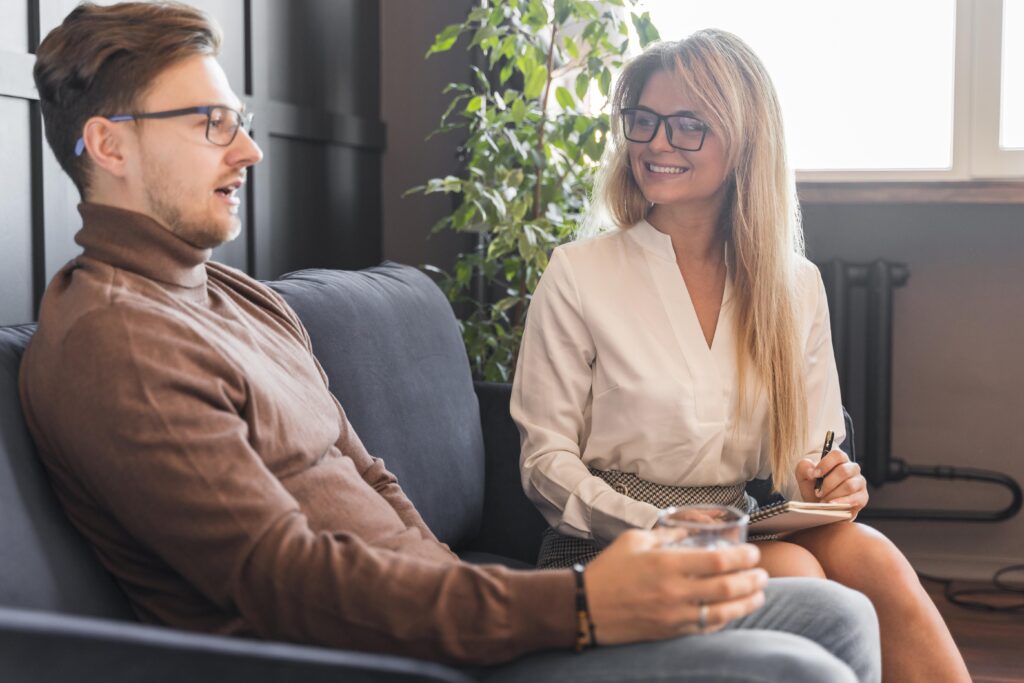
Most marketing strategies talk about “driving repeat visits” as if customers sit down and rationally choose where to go every time. They don’t.
In reality, repeat behavior is usually driven by habit, emotion, trust, and memory shortcuts—not by a fresh evaluation of every possible option. If you want more frequency, you have to design for how people actually decide, not how you wish they did.
Habit: When decisions go on autopilot
One of the strongest forces behind repeat behavior is habit.
Psychologist Wendy Wood’s research on “the habitual consumer” found that people often automatically repeat past behavior with little regard to current goals or outcomes, especially when they’re under time or resource pressure. In other words, the busier life gets, the more we rely on what we’ve done before.
Other studies and reviews of buying behavior describe “habitual buying” as low-effort, low-involvement choices driven by familiarity and routine rather than active decision-making. Once a pattern is in place, people keep choosing the same option simply because it’s the easy, familiar path.
For hospitality, that means:
- If your brand becomes the default choice for Thursday night, you’ve won.
- If every visit feels like a fresh decision against dozens of alternatives, you’re at risk.
Design implication: Make the choice to return feel automatic. Same nights, clear rituals, predictable experiences. Reduce friction until going somewhere else feels like more work.
Emotion and satisfaction: Feeling good drives coming back
People don’t come back just because you met functional expectations. They come back because the experience made them feel something worth repeating.
In hospitality, research on guest behavior finds that positive emotions and satisfaction predict revisit intention and willingness to recommend. Social and physical elements—ambiance, layout, social interactions—shape those emotions, which then drive whether guests want to return.
Broader hospitality literature echoes this: psychological studies show that when guests feel positive emotions during a stay or visit, they’re more likely to become repeat visitors and leave positive reviews.
For hospitality brands, that means:
- The way a space feels emotionally (welcome, safe, “this is our place”) matters as much as the product.
- Small moments—recognition, in-jokes, rituals—can have outsized influence on whether the visit feels repeatable.
Design implication: Engineer emotional beats into the experience: a greeting that feels personal, a micro-ritual at a specific time, a moment that’s clearly “the part everyone looks forward to.”
Trust and consistency: Reducing decision risk
Repeat behavior is also about risk.
A steady body of work on consumer behavior shows that trust is one of the strongest psychological triggers behind repeat purchases. Once people have a positive experience with a brand, they’re more likely to repurchase without deeply evaluating alternatives, because they trust what they’ll get.
Consistency is critical here. Consumers expect the same experience every time; when a brand delivers reliably, it lowers perceived risk and makes the “just go there again” choice easier.
In practice:
- If guests can’t predict what they’ll get, they hesitate—even if they liked you once.
- If they’re confident the experience will be good again, their brain burns fewer calories deciding.
Design implication: Pick a few things you’ll do every time and protect them. Make your “signature moves” so consistent that people count on them and tell others about them.
Mental shortcuts: Familiarity and memory
When people are making everyday decisions, they rely heavily on familiarity and memory shortcuts.
Consumer psychology research notes that repeated exposure builds “mental availability.” If customers keep seeing a brand in their environment, advertising, or social feeds, it becomes easier to recall when making a choice later. Memory science also shows that not all experiences are equally likely to be remembered; emotionally charged or distinctive moments are more likely to stick.
For repeat behavior:
- Familiar brands come to mind faster, and what comes to mind first is often chosen.
- Distinct, emotionally resonant moments become “anchors” that make a place feel worth returning to.
Design implication: Be repetitive in your visuals, language, and rituals. Name your experiences. Give people a mental hook they can remember and describe (“We always go for [ritual name] on Thursdays.”).
Environment and cues: Context triggers habit
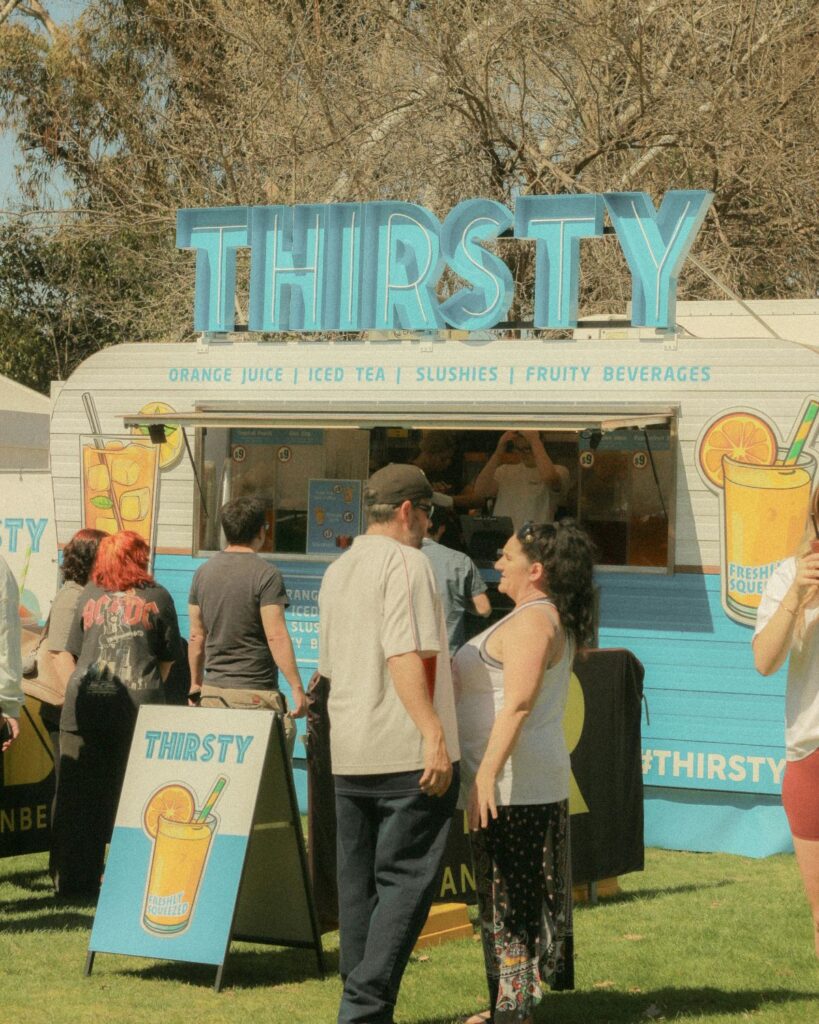
Habits don’t live in a vacuum; they’re tied to cues.
Tourism and hospitality research on repeat visitation behavior shows that quality of service, environment, ambiance, and emotional connection all influence whether people choose to return. When a place is associated with positive memories and clear contextual cues (time of week, type of outing, people they go with), it becomes the “go-to” option.
Consumer behavior studies also emphasize how environmental cues and context drive habitual buying—people buy the same brand in the same context (same store, same aisle, same routine) without much thought.
For hospitality:
- “We go there before the game,” “That’s our Thursday spot,” or “This is where we bring friends in town” are contextual habits.
- The time, group, and activity become part of the trigger.
- Design implication: Attach your experience to specific contexts: pre-game, post-work, Sunday afternoons, “bring your crew” nights. Make those contexts obvious and repeatable.
Satisfaction versus real loyalty: Why liking you isn’t enough
It’s possible for someone to like you and still not come back.
Consumer-behavior frameworks differentiate between attitudinal loyalty (how people feel) and behavioral loyalty (what they actually do—repeat visits, frequency, share of wallet). Guests might say they’re satisfied, but if you haven’t created easy, emotional, and contextual reasons to return, behavior won’t follow.
In hospitality, recent work notes that behavioral loyalty shows up in actual return visits over time, and is influenced by how guests evaluate their experience and the value they believe they receive. Sentiment is important—but it needs to be paired with design that makes repeat behavior the natural next step.
Design implication: Don’t stop at “satisfied.” Ask what would make “coming back” the obvious, low-friction, emotionally satisfying choice?
Turning psychology into a frequency strategy
Putting it all together, repeat behavior sits at the intersection of:
- Habit: Make returning the default choice under time pressure.
- Emotion: Create experiences that feel good enough to want again.
- Trust and consistency: Reduce risk by delivering predictably, every time.
- Familiarity and memory: Get remembered through repetition and distinctive moments.
- Context and cues: Tie your brand to specific routines, times, and social contexts.
- Behavioral design: Move beyond “they liked us” to “they came back—twice, three times, ten times”.
For hospitality operators, the takeaway is simple but not easy: You don’t need more campaigns. You need better behavior.
Campaigns can buy you a visit. Psychology-informed design can earn you a pattern.