
Most restaurants and hospitality brands think repeat visits come from better offers, stronger loyalty points, or more frequent promotions. But the real challenge is usually deeper than that. Increasing repeat visits is not about convincing customers to come back once—it’s about designing the conditions where returning becomes the natural choice.
That’s where behavioral infrastructure comes in. Instead of relying on discounts or one-time incentives, behavioral infrastructure shapes the guest experience so that repeat behavior feels easy, rewarding, and automatic. It creates the habits, cues, and social pull that turn occasional visitors into regulars.
For restaurants and hospitality businesses, this shift matters. The brands that win long-term are not just the ones that attract attention. They are the ones that build repeat behavior, community, and routine into the experience itself.
Loyal customers spend up to 67% more than new ones.
1. It makes the next visit obvious
One of the biggest barriers to repeat visits is friction. If guests leave without a clear reason to return, they move on. Behavioral infrastructure removes that uncertainty by creating a next step that feels simple and natural.
That might mean a recurring weekly event, a team-based challenge, a membership rhythm, or a social experience tied to a specific day or time. The point is to give guests a reason to return before the current visit even ends. When the next visit is obvious, it becomes much easier to follow through.
2. It turns visits into rituals
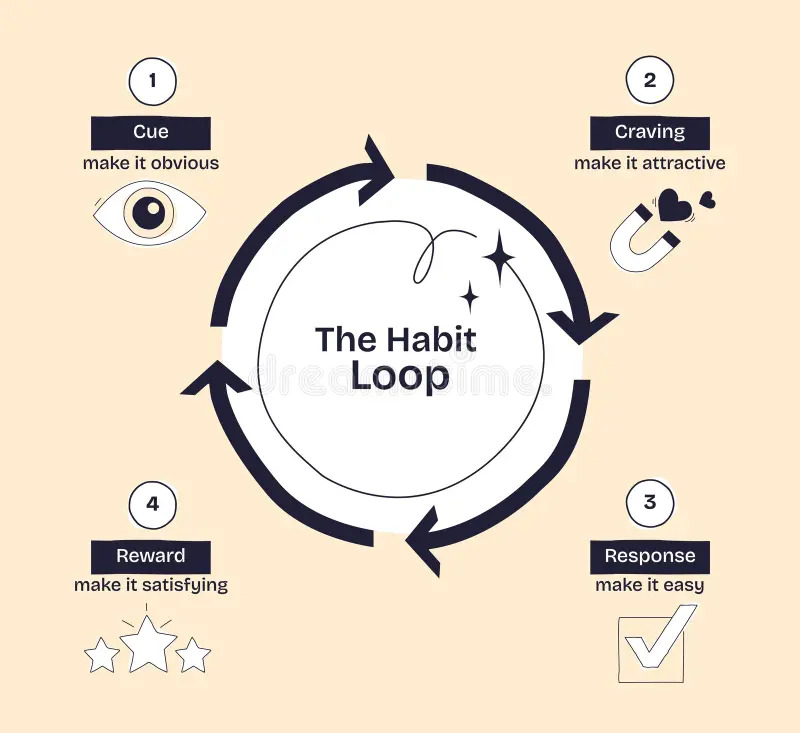
People don’t build habits around random experiences. They build habits around rituals. Behavioral infrastructure helps restaurants create repeatable moments that feel familiar, meaningful, and worth repeating.
A ritual could be a trivia night, a team competition, a Thursday gathering, or a recurring social format that guests start to expect. Once a visit becomes part of someone’s routine, it stops feeling like a decision and starts feeling like a pattern. That shift is what drives frequency over time.
Learn About the Frequency Engine™
3. It creates social gravity
Guests are more likely to return when they feel like they belong somewhere. Behavioral infrastructure creates social gravity by making the experience feel shared rather than transactional. People come back not just for the food or the venue, but for the people, the atmosphere, and the identity attached to it.
When customers feel connected to a community, the venue becomes more than a place to eat or drink. It becomes a place where they are recognized, expected, and included. That sense of belonging is one of the strongest drivers of repeat behavior.

4. It rewards progress, not just spending
Traditional loyalty systems often reward customers after they’ve already spent money. Behavioral infrastructure works differently. It creates visible progress that encourages guests to keep participating because each visit feels like part of a larger journey.
That means leveling up, unlocking access, gaining status, or contributing to a team effort. Progress is powerful because it gives people momentum. When guests feel they are moving toward something, they are more likely to return.
5. It makes loyalty feel natural
The best behavioral systems don’t feel like marketing. They feel like part of the experience. Guests return because the environment encourages it, the social cues reinforce it, and the experience itself makes sense to repeat.
This is the key difference between temporary engagement and lasting habit. Discounts can trigger a visit, but they rarely create a pattern. Behavioral infrastructure builds a system where loyalty emerges naturally from the way the experience is designed. Learn how it works.

Why this matters for the hospitality industry
Restaurants and hospitality brands are not just competing for transactions. They are competing for habits. A guest who visits once is valuable, but a guest who returns regularly creates far more long-term value.
That is why behavioral infrastructure matters. It shifts the focus from short-term persuasion to long-term design. Instead of asking how to get customers back one more time, the better question is how to build an experience they want to repeat.
Brands that solve for behavior, belonging, and repeatability are the ones that create durable growth. They reduce reliance on discounts, strengthen retention, and build a customer base that grows through participation rather than promotion.
Conclusion
Repeat visits do not happen by accident. They happen when the environment, the social experience, and the incentives all point in the same direction. Behavioral infrastructure helps restaurants and hospitality brands create that structure so returning becomes the default, not the exception.
When you design for habits instead of one-off visits, you create more than traffic. You create frequency, loyalty, and long-term growth.
Learn more
If your brand wants to increase repeat visits, focus less on convincing customers and more on designing behavior. Build the rituals, social connections, and progress systems that make returning feel natural.
Start by asking: what would make coming back the easiest, most rewarding choice for your guests?